
Whole Grains 103 – Oats
August 14, 2016
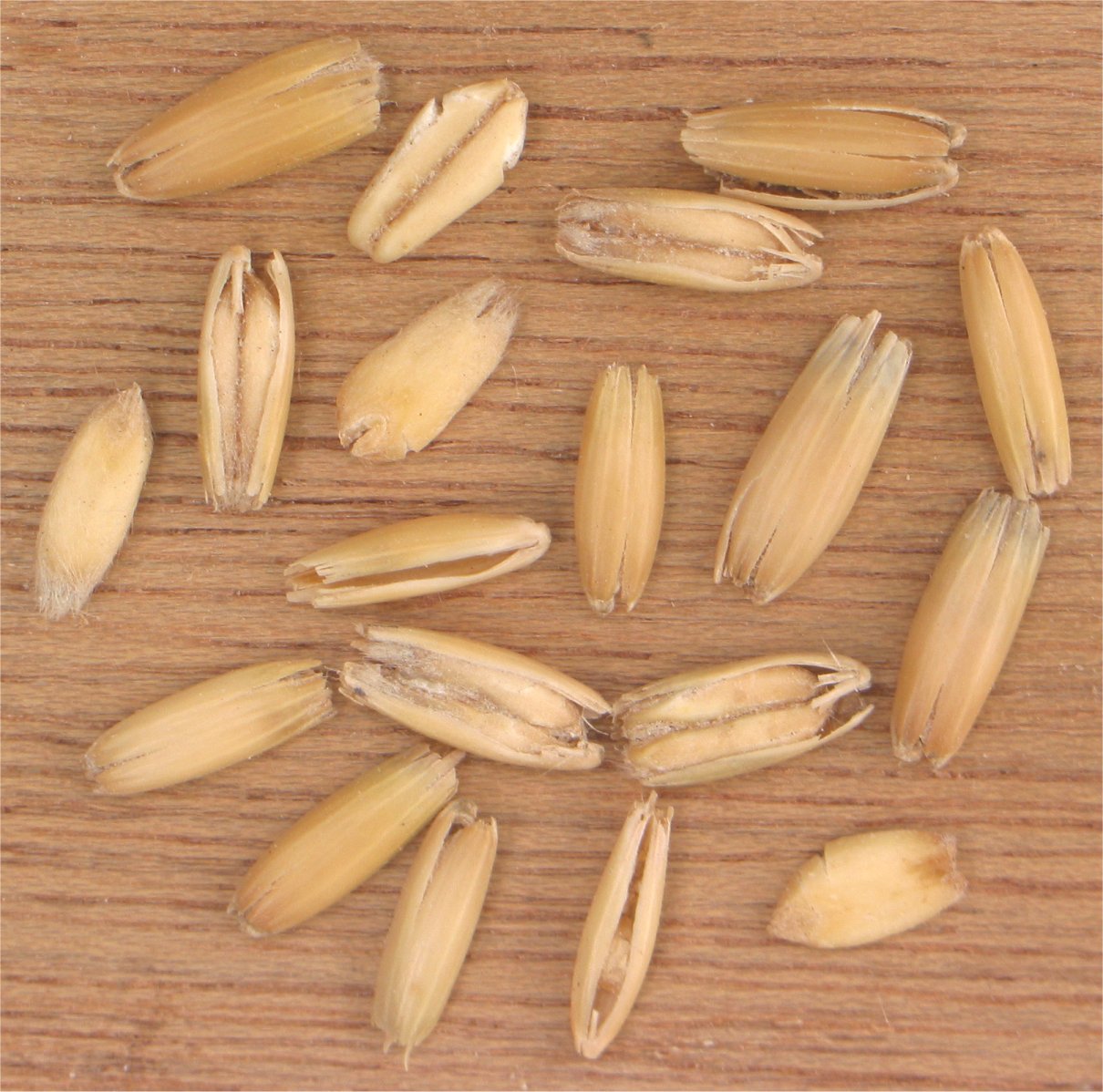
Hello, hello, and welcome back, my dear students! Welcome to the last of three posts on Whole Grains! Unless, of course, you count the post on sprouted grains… but that’s more a bonus material post.
Did you do your homework and check that you’re getting the true whole grain breads??
Today we’ll look at oats – they, too, are a type of whole grain. So, without further ado, here are the different forms of oats, and what implications they have:
Oat Bran: like discussed before, this would be the bran – or outer layer – of the oat kernel. This is sometimes removed for certain forms of oats; but often left in tact for rolled and steel cut oats.
Oat Flour: finely ground oats, often mixed with standard wheat flour, used for baking.
Oat Groats: the least processed form of oats – the kernel is left in tact. This makes it a tougher texture; you may want to soak groats before using in order to soften. You have the bran, germ, and endosperm all included, with all the lovely health benefits.
Steel-Cut Oats: Oat groats that have been run through blades (of steel, of course) to make them more thinly sliced. Still a very healthy option.
Old-Fashioned/Rolled Oats: groats that have been steamed and then flattened with a roller. More processed, slightly less nutritionally potent.
Quick-Cooking Oats: groats that have not only been steamed and flattened, but also cut into smaller pieces for quicker cooking. More processing, more air exposure for increased oxidation.
Instant Oatmeal: Groats that have been cut, steamed, and rolled, and often slightly pre-cooked. More processing usually means less nutrition.
So there you have it! The various types of oat forms. While the nutrient value of each probably is similar, there’s just always a draw for me towards the least-processed form available. But all forms (except perhaps instant if they have extra sugars and colorings and funky dinosaur eggs added) will be rich in cholesterol-lowering fibers. So go dive in to a whole-grain-goodness bowl of oatmeal some time!


Kate Cline, RDN, CLT, CPT is a functional dietitian and dedicated obstacle course racer offering nutrition programs for fellow fitness enthusiasts. As a science-driven detective, she is determined to find and fix root causes of IBS, diarrhea, brain fog, arthritis, and other health challenges, using advanced labs and the healing power of nutrition. Through Defiant Nutrition, she provides coaching, e-courses, functional lab tests, and delicious meal plans.
CATEGORIES
Stuck on the sidelines while your symptoms win the race?
Download our free survey to assess your symptoms and understand the impact they are having on your life. The first step to feeling better is understanding where you are starting from.
Individual Nutrition Coaching
Want to schedule a free discovery call with Kate?